Croatian Cultural Heritage
Why Preserving Traditional Culture Matters
Traditions are not museum pieces. They are habits of care, ways of gathering and ways of remembering — and they last only as long as someone keeps practising them.
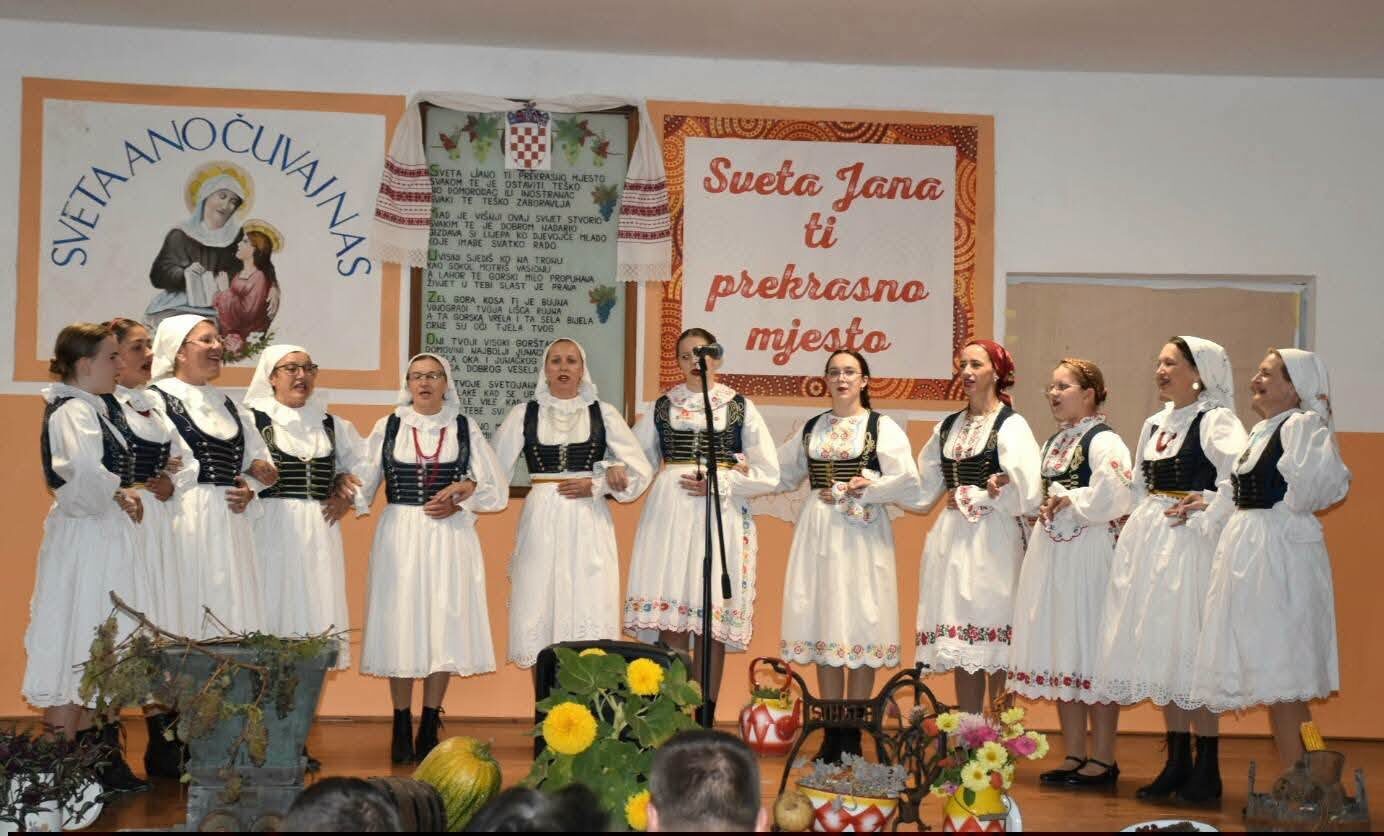
It is easy to think of tradition as something finished: a costume behind glass, a song printed in a book, a dance recorded once and filed away. In practice, tradition is far more fragile and far more alive than that. A song survives because someone sings it at a family table. A dance survives because a grandmother takes a child's hand and shows her where to place her feet.
Culture as shared memory
Every community carries a collective memory — of seasons, of work in the fields, of feasts and farewells. Traditional songs, customs and clothing are the vessels that carry that memory forward. When they disappear, a community loses more than a pleasant pastime; it loses part of the vocabulary it uses to understand itself.
Preservation is participation
Preserving culture does not mean freezing it. It means making room for it in ordinary life: rehearsals on weekday evenings, a costume repaired before a celebration, a melody taught to someone new. Each of these small acts is a decision that the past is worth carrying into the future.
Why it matters now
In a time of rapid change and constant movement, traditions offer something steady. They give young people roots and older people a role as teachers. For an association like ours, keeping these practices visible is not nostalgia — it is a commitment to a community that knows where it comes from.