Traditional Music
The Importance of Folk Music in Croatian Heritage
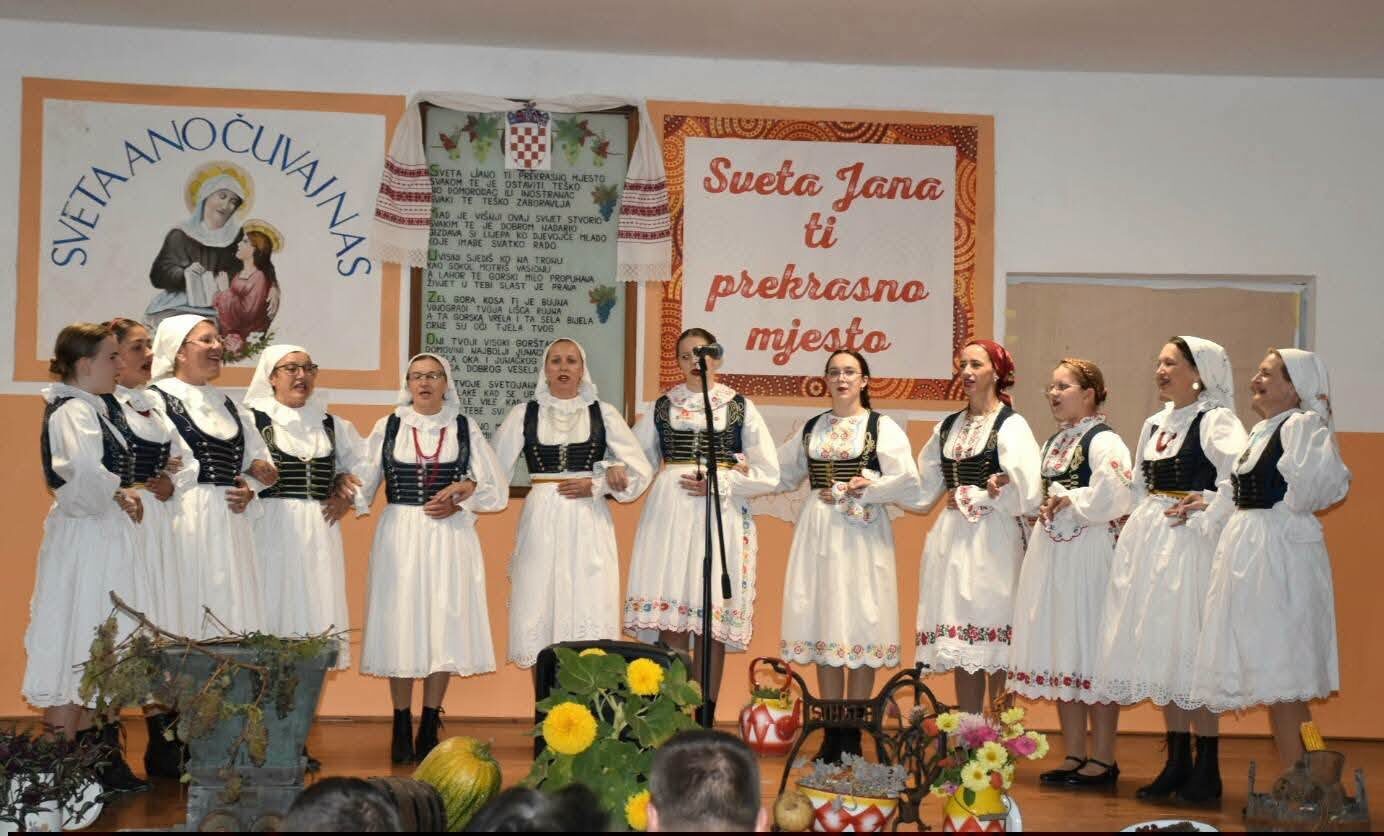
From village singing to the bright sound of strings and accordion, folk music has long been the soundtrack of Croatian community life.
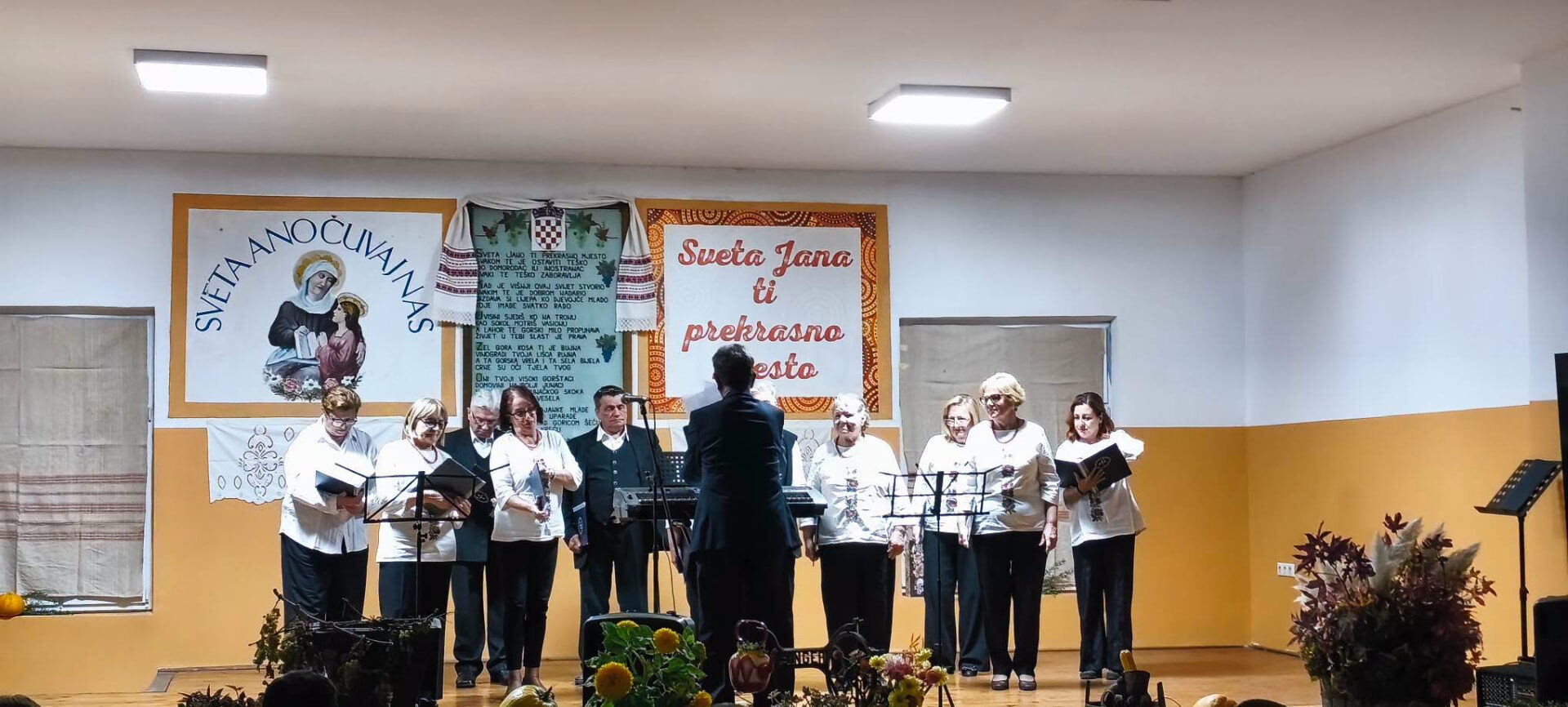
Croatia's musical heritage is remarkably varied. Different regions developed their own singing styles, instruments and repertoires, shaped by landscape, work and history. What unites them is the role music played in everyday life: it accompanied labour, marked celebrations, told stories and expressed feelings that were difficult to say in plain words.
Songs that hold stories
Many traditional songs are small histories. They speak of love and departure, harvests and weddings, saints' days and the changing year. Singing them keeps not only the melody alive but the images, expressions and dialect words they contain.
Learning by ear
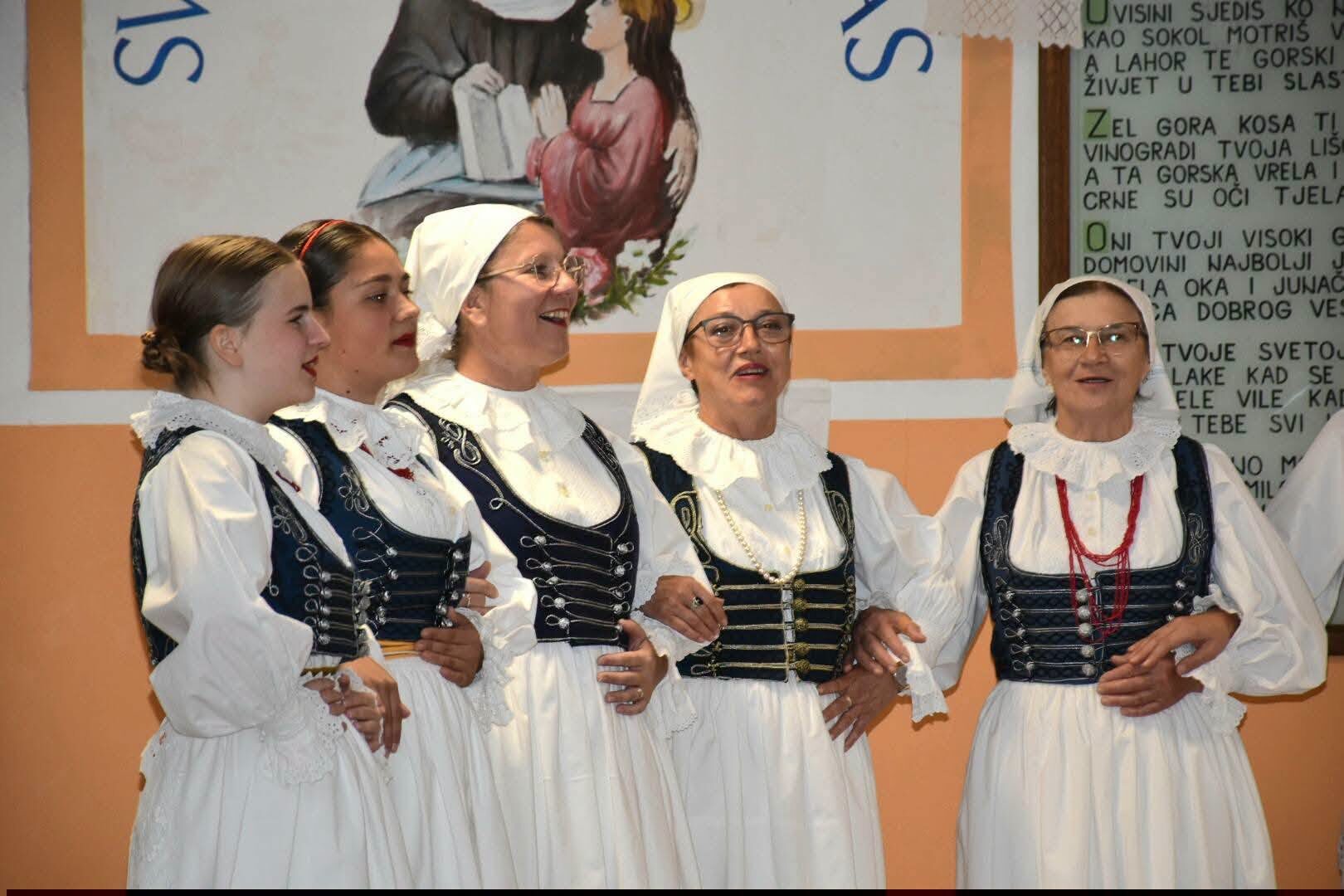
Folk music has traditionally been passed on by listening and imitating rather than from written scores. This makes every singer a link in a chain. When a younger singer learns a song from an older one, they also learn the phrasing, ornaments and spirit that no notation fully captures.
Music that gathers people
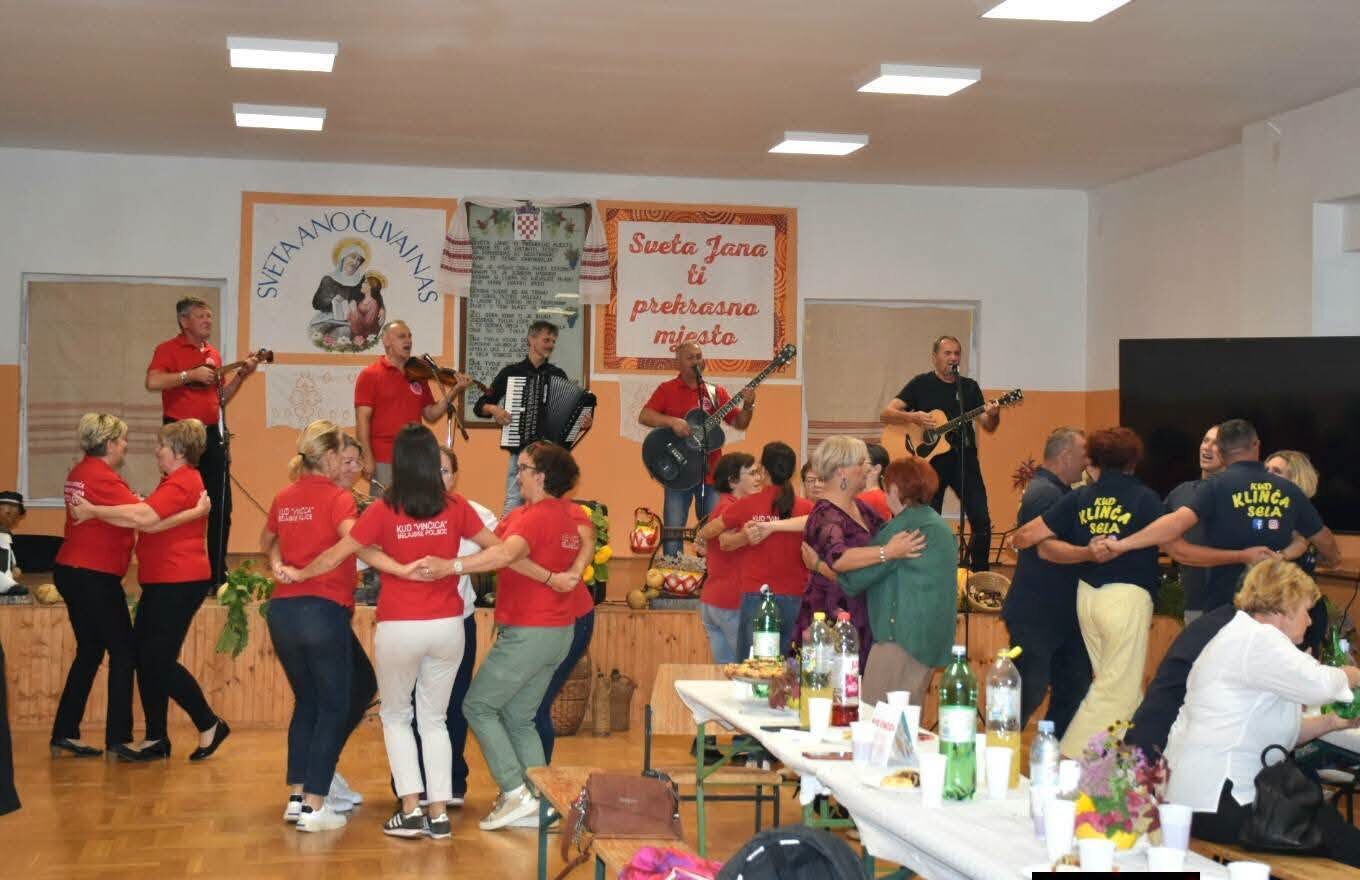
Perhaps the greatest value of folk music is its ability to gather people. A shared song turns an audience into a community. Our association sees music as an invitation — something to be enjoyed, learned and sung together.