Traditional Arts
Traditional Arts as an Important Part of Community Life
Embroidery, weaving, decorative painting and handcraft: traditional arts bring beauty and skill into everyday life.
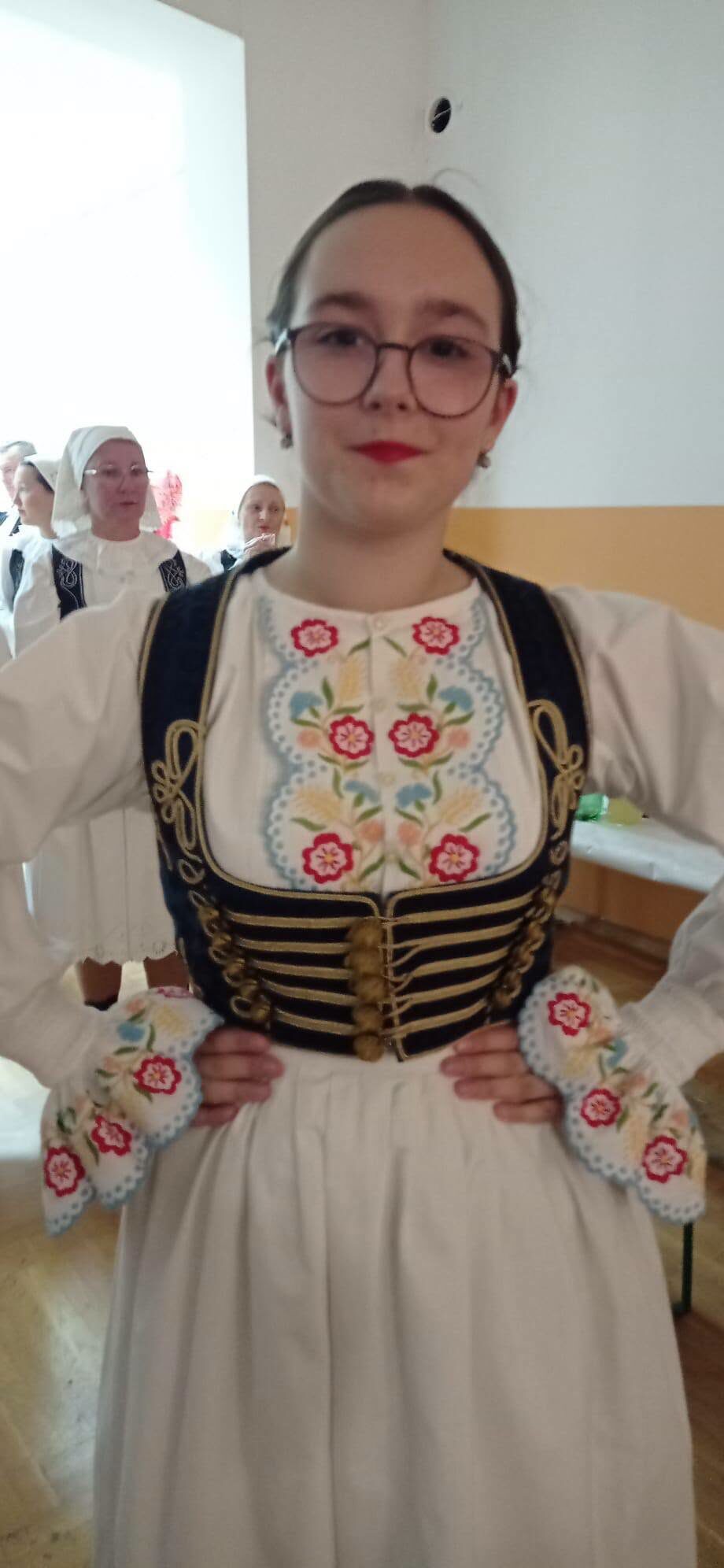
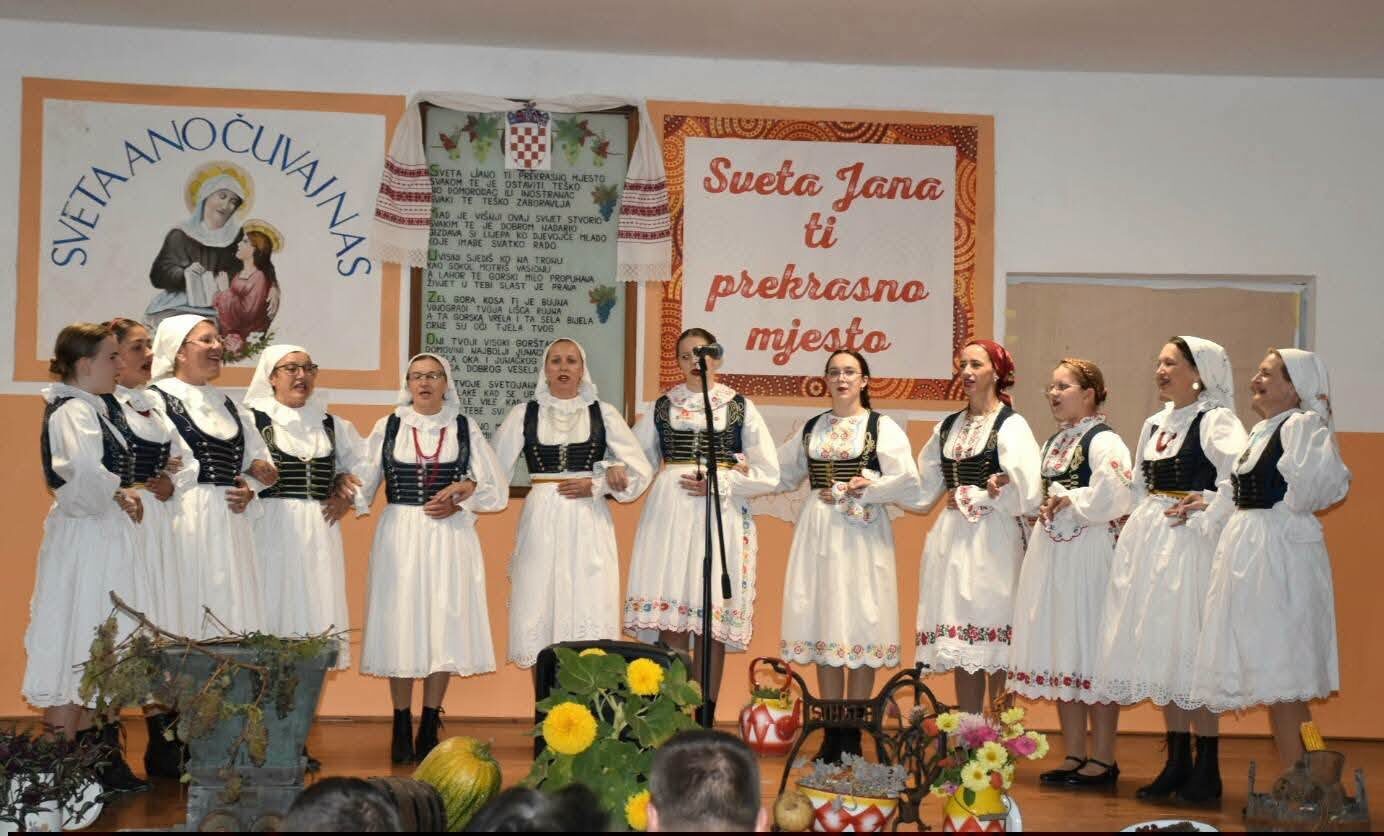
Traditional arts were rarely made for galleries. They decorated homes, garments and festive objects, bringing beauty into everyday life. The floral motifs, geometric patterns and careful handwork found in folk art reflect a deep sense of care for the ordinary.
Patterns with meaning
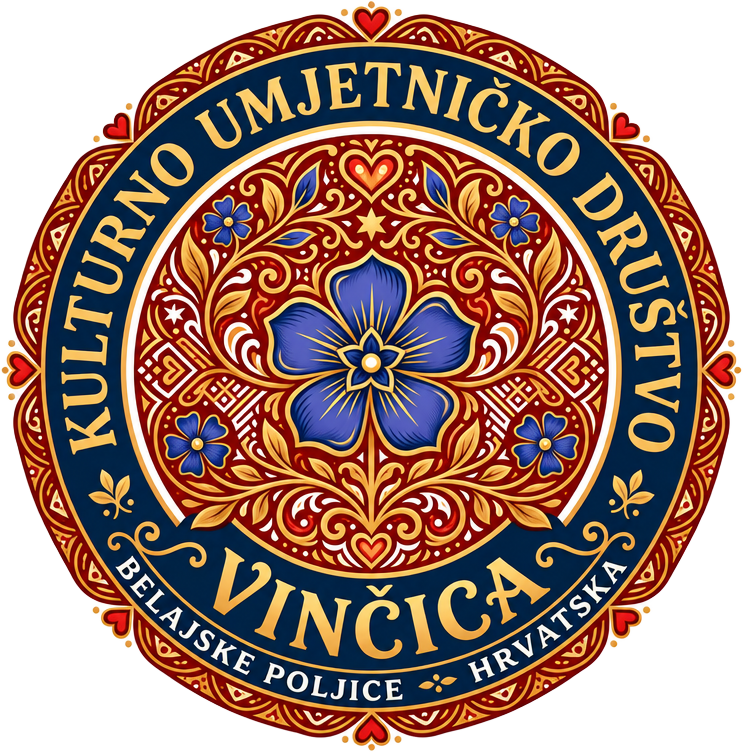
Many folk motifs — flowers, hearts, stars, branches — repeat across generations. They echo the natural world and the values of the people who made them. The violet-like flower at the centre of our own emblem draws on exactly this visual language.
Skills worth keeping
Traditional crafts require time to learn. Embroidery stitches, weaving techniques and finishing methods are best learned from someone who already knows them. Without that personal transmission, skills can vanish within a generation.
Creativity, then and now
Traditional arts are also a source of inspiration for contemporary creativity. Respecting the old forms while allowing new interpretations keeps the arts relevant and invites more people to take part.