Traditional Costumes
The Cultural Meaning of Traditional Clothing
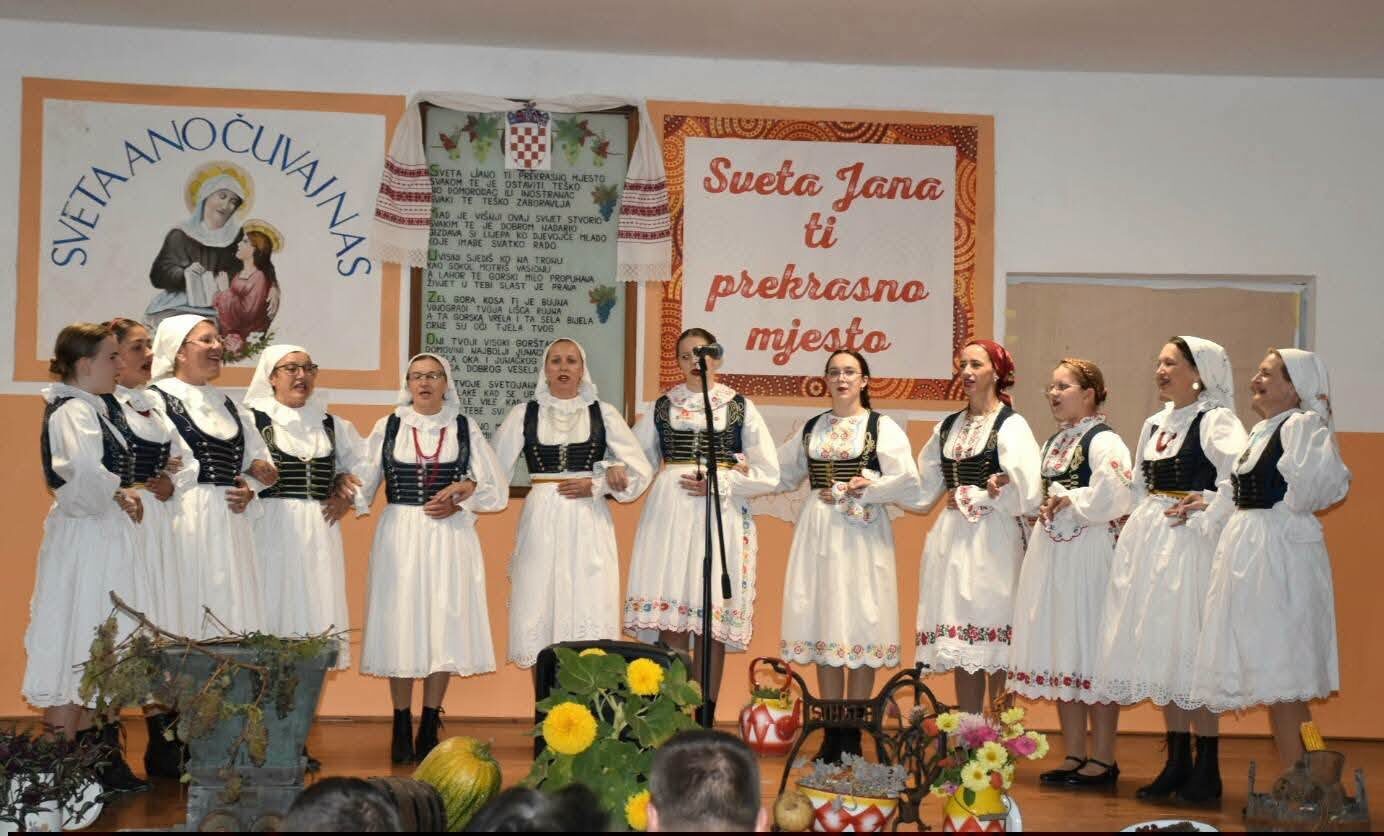
White linen, careful embroidery, laced vests and headscarves: folk costumes are a language of their own.
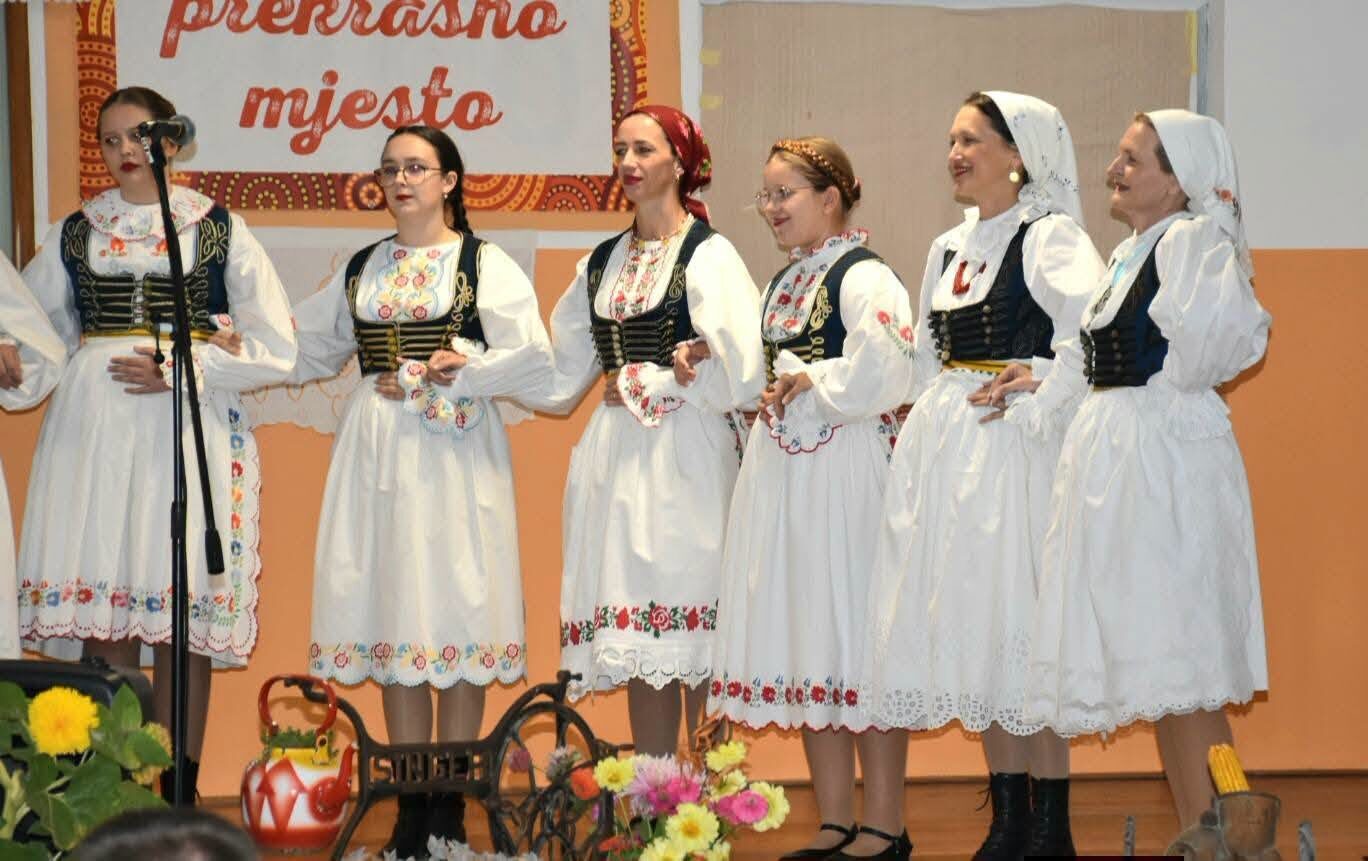
Traditional clothing, known in Croatian as narodna nošnja, is one of the most striking expressions of regional identity. Costumes differ from area to area, and even small details — a pattern, a colour, the way a scarf is tied — can carry meaning.
Handwork and patience
Many traditional garments were made by hand over long winter months. Weaving, sewing and embroidery required skill passed down through families. Each finished piece represents hours of patient work and a store of practical knowledge.
Clothing that speaks
Historically, costume could indicate a person's region, age, marital status or the occasion being celebrated. Festive garments were worn for holidays, weddings and church feasts, and were often treasured and handed down.
Caring for costumes today
Wearing traditional costume today is an act of respect. Caring for these garments — cleaning, repairing, storing them properly and wearing them correctly — is part of preserving heritage, and an area where shared knowledge is especially valuable.